Interviewing Web Developers for Cultural Fit

Robert Giezen
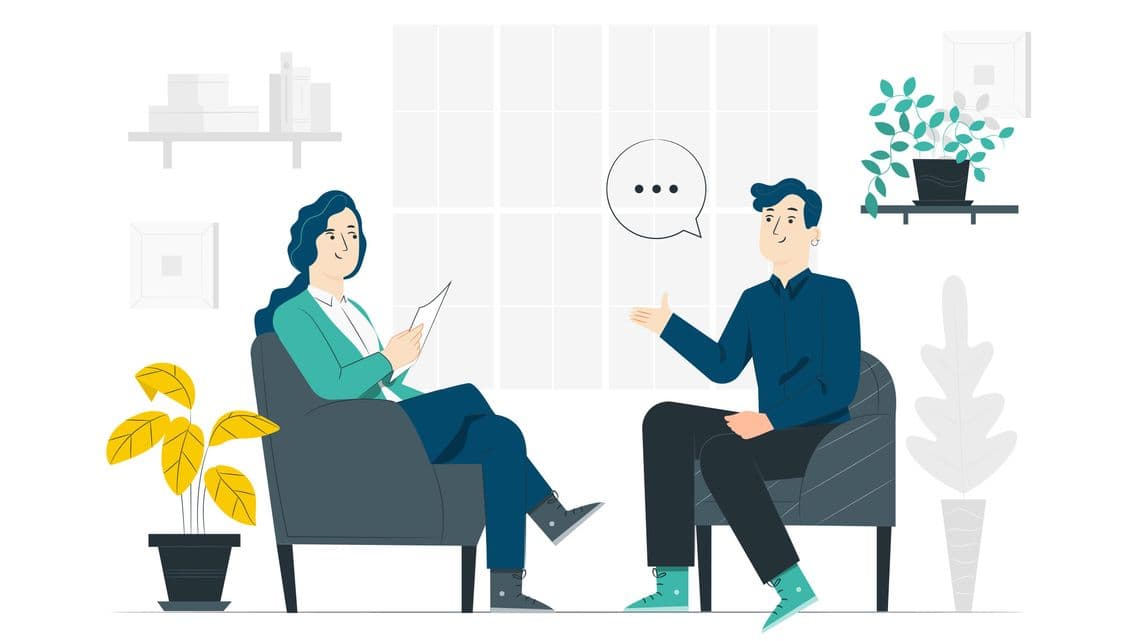
Technical skills and personal attributes are crucial for developer success, but motivational factors often determine long-term performance, job satisfaction, and team dynamics. This final installment of our developer interview series focuses on evaluating the intrinsic motivations, learning attitudes, and cultural alignment that separate good developers from exceptional team members.
Motivational interviewing reveals whether candidates will thrive in your environment, contribute to team culture, and maintain high performance over time. These insights are especially critical when building remote development teams where self-motivation and cultural alignment become even more important for success.
Part 4 of 4 in our Developer Interview Series - Completing the comprehensive evaluation framework for hiring exceptional development talent.
Understanding Motivational Interviewing
Core Principles
Motivational interviewing goes beyond surface-level enthusiasm to uncover:
Intrinsic Motivation:
- Personal passion for technology and problem-solving
- Learning drive and curiosity about new technologies
- Professional growth aspirations and career direction
- Value alignment with company mission and culture
Behavioral Indicators:
- Past decision patterns revealing true priorities
- Response to challenges and failure recovery
- Initiative taking in previous roles and projects
- Collaboration style and team interaction preferences
Interview Structure
Opening (10 minutes):
- Build rapport and establish comfortable atmosphere
- Review candidate's background and career journey
- Set expectations for discussion format and depth
Core Assessment (30-40 minutes):
- Explore motivation drivers and passion indicators
- Assess learning mindset and adaptability
- Evaluate collaboration style and communication preferences
- Discuss career goals and professional aspirations
Cultural Alignment (15-20 minutes):
- Present real scenarios from your work environment
- Assess fit with team dynamics and company values
- Explore remote work preferences and self-management skills
- Address any concerns or questions from candidate
Passion and Learning Mindset
Genuine Technology Interest
Exploration Questions:
Personal Projects and Interests:
"Tell me about a recent technology or programming concept that excited you.
What drew you to it, and how did you explore it?"

Follow-up: "How do you typically discover new technologies or stay updated with industry trends?"
What to Listen For:
- Specific examples of recent learning or experimentation
- Personal time investment in skill development beyond work requirements
- Genuine curiosity about how things work under the hood
- Enthusiasm when discussing technical challenges or solutions
Learning from Failures:
"Describe a time when a project or technical decision didn't work out as expected.
What happened, and what did you learn from the experience?"

Follow-up: "How did that experience change your approach to similar situations?"
Positive Indicators:
- Takes ownership of mistakes without deflecting blame
- Demonstrates specific lessons learned and behavioral changes
- Shows resilience and ability to bounce back from setbacks
- Views failures as learning opportunities rather than personal defeats
Continuous Learning Culture
Self-Directed Learning:
"How do you approach learning a new technology or framework when it's required for a project?"

Follow-up: "Can you walk me through your recent experience learning [specific technology relevant to role]?"
Strong Responses Include:
- Structured learning approach with clear milestones and goals
- Multiple learning sources (documentation, courses, practice projects, community)
- Hands-on experimentation rather than purely theoretical study
- Knowledge sharing with others during the learning process
Industry Engagement:
"What resources do you use to stay current with web development trends and best practices?"

Follow-up: "Have you contributed to open source projects or tech communities? Tell me about that experience."
Look for Evidence of:
- Regular engagement with tech communities, blogs, or forums
- Active participation in discussions, not just passive consumption
- Contribution mindset through code contributions, writing, or mentoring
- Balanced perspective on new trends vs. proven technologies
Collaboration and Communication
Team Dynamics
Collaboration Style Assessment:
"Describe your ideal working relationship with other developers.
How do you prefer to collaborate on code and technical decisions?"

Follow-up: "Tell me about a time when you had a technical disagreement with a teammate. How did you handle it?"
Positive Collaboration Indicators:
- Respectful disagreement focused on technical merits
- Active listening and consideration of alternative viewpoints
- Compromise and flexibility when appropriate
- Clear communication of reasoning and constraints
Mentoring and Knowledge Sharing:
"Have you had opportunities to mentor junior developers or help teammates learn new skills?
What was that experience like?"

Follow-up: "How do you approach code reviews with team members of different experience levels?"
Strong Mentoring Mindset:
- Patience and empathy when explaining complex concepts
- Teaching approach that empowers rather than dictates
- Constructive feedback delivery with specific improvement suggestions
- Growth orientation focused on team capability development
Communication Effectiveness
Technical Communication:
"How do you typically explain a complex technical concept to someone without a technical background?"

Follow-up: "Give me an example of when you had to present a technical solution to stakeholders or clients."
Effective Communication Traits:
- Audience adaptation adjusting complexity based on listener
- Clear structure with logical flow and concrete examples
- Visual aids or analogies to make concepts accessible
- Patience and empathy for different learning styles
Conflict Resolution:
"Describe a situation where you had to work with someone whose communication or work style was very different from yours. How did you manage that relationship?"
Mature Responses Include:
- Adaptability to different communication preferences
- Professional boundary maintenance while remaining collaborative
- Solution-focused approach rather than personality-based complaints
- Win-win mindset seeking mutual success rather than personal advantage
Problem-Solving Attitude
Approach to Challenges
Challenge Response Evaluation:
"Tell me about the most challenging technical problem you've solved in the past year.
Walk me through your thought process from initial confusion to final solution."

Follow-up: "What made this problem particularly difficult, and how did you stay motivated when progress was slow?"
Strong Problem-Solving Indicators:
- Systematic approach breaking complex problems into manageable pieces
- Research methodology utilizing documentation, communities, and experimentation
- Persistence balanced with knowing when to seek help or change direction
- Learning extraction from the problem-solving process for future challenges
Initiative and Ownership:
"Describe a time when you identified an improvement opportunity that wasn't directly assigned to you.
What did you do about it?"

Follow-up: "How do you balance taking initiative with respecting team processes and hierarchies?"
Positive Initiative Patterns:
- Proactive identification of opportunities for improvement
- Appropriate escalation and communication before taking action
- Follow-through on commitments and suggested improvements
- Impact measurement tracking results of initiated improvements
Stress and Pressure Management
Deadline Pressure Response:
"Tell me about a time when you were facing a tight deadline with significant pressure.
How did you manage your work and stress levels?"

Follow-up: "What strategies do you use to maintain code quality when time is limited?"
Healthy Stress Management:
- Priority framework for making trade-off decisions under pressure
- Communication practices keeping stakeholders informed of realistic timelines
- Quality standards maintained even under time constraints
- Self-care awareness recognizing limits and seeking support when needed
Adaptability Assessment:
"Describe a situation where project requirements changed significantly after you'd already started development. How did you handle the transition?"
Adaptability Indicators:
- Positive attitude toward change and uncertainty
- Solution orientation focusing on moving forward rather than dwelling on disruption
- Learning mindset viewing changes as opportunities for growth
- Communication skills managing stakeholder expectations during transitions
Career Goals and Ambition
Professional Growth Direction
Career Trajectory Exploration:
"Where do you see your career heading in the next 3-5 years?
What kinds of challenges and opportunities are you hoping to pursue?"

Follow-up: "What specific skills or experiences do you feel you need to develop to reach those goals?"
Strong Growth Mindset:
- Clear vision with specific but flexible career direction
- Skill development plans aligned with career objectives
- Challenge seeking rather than comfort zone maintenance
- Realistic timeline understanding the effort required for growth
Motivation Alignment:
"What aspects of software development energize you the most?
What parts do you find less engaging?"

Follow-up: "How do you handle the less exciting aspects of development work?"
Healthy Motivation Patterns:
- Balanced perspective acknowledging both exciting and mundane aspects
- Professional maturity understanding that all roles include less preferred tasks
- Growth orientation seeing tedious work as skill-building opportunities
- Team mindset considering how personal preferences affect team dynamics
Alignment with Role and Company
Role Fit Assessment:
"Based on what you know about this position and our team, what aspects are you most excited about?
What concerns or questions do you have?"

Follow-up: "How does this role fit into your longer-term career plans?"
Positive Alignment Indicators:
- Specific enthusiasm for particular aspects of the role or company
- Thoughtful questions demonstrating research and genuine interest
- Realistic expectations about challenges and growth opportunities
- Strategic fit with career progression and skill development goals
Commitment Assessment:
"What factors are most important to you in choosing your next role?
How do you evaluate whether a position is the right fit?"

Follow-up: "What would make you excited to stay with a company for several years?"
Long-term Thinking:
- Multiple factors beyond just compensation (growth, culture, mission, team)
- Relationship-based commitment considering team and company investment
- Growth-oriented seeking opportunities for learning and advancement
- Value-driven alignment with company mission and culture
Cultural Fit Assessment
Company Values Alignment
Value-Based Scenarios: Present real situations from your work environment and assess responses:
Scenario Example:
"Our company values transparency and open communication. Last month, a developer discovered a security vulnerability that could have been prevented with better code review processes.
How do you think this situation should be handled?"
Strong Cultural Responses:
- Transparency supporting open discussion of issues and improvements
- Learning orientation focusing on process improvement rather than blame
- Team responsibility recognizing collective ownership of quality
- Constructive approach proposing specific improvement strategies
Work Style Compatibility:
"Our team tends to be collaborative and consensus-driven in technical decisions, but we also value individual ownership of features and projects.
How does that balance sound to you?"

Follow-up: "Describe your experience working in similar environments."
Compatibility Indicators:
- Balance appreciation understanding the value of both collaboration and ownership
- Experience examples demonstrating success in similar environments
- Adaptation willingness showing flexibility in different team structures
- Contribution mindset eagerness to participate in collaborative processes
Team Integration Potential
Personality and Work Style:
"How would your current teammates describe your work style and personality?
What would they say are your strengths and areas for growth?"

Follow-up: "What type of team environment brings out your best work?"
Self-Awareness Indicators:
- Honest self-assessment including both strengths and improvement areas
- External perspective consideration of how others perceive their work style
- Environment optimization understanding of conditions that support their best performance
- Growth mindset openness to feedback and continuous improvement
Diversity and Inclusion:
"Our team includes developers with diverse backgrounds, experience levels, and working styles.
How do you approach building relationships with colleagues who have different perspectives or approaches?"

Follow-up: "Can you share an example of how diversity of thought improved a project or solution you worked on?"
Inclusive Mindset:
- Value recognition appreciating different perspectives and approaches
- Relationship building skills across diverse team members
- Learning orientation seeking to understand different viewpoints
- Concrete examples demonstrating positive experiences with diversity
Red Flags and Warning Signs
Motivation Concerns
Negative Indicators:
Lack of Genuine Interest:
- Cannot discuss recent learning or personal technical interests
- Views development as "just a job" without intrinsic motivation
- Shows no curiosity about industry trends or emerging technologies
- Demonstrates minimal engagement with technical communities or resources
Poor Growth Mindset:
- Blames external factors for all career challenges or setbacks
- Resists feedback or shows defensiveness about areas for improvement
- Expects rapid advancement without corresponding skill development
- Shows entitlement attitude about opportunities and recognition
Collaboration Issues:
- Consistently describes conflicts with teammates or managers
- Takes sole credit for team achievements
- Shows impatience or condescension when discussing less experienced developers
- Cannot provide examples of successful collaborative projects
Cultural Misalignment
Warning Signs:
Values Conflict:
- Responses contradict stated company values or working principles
- Shows inflexibility in adapting to different team dynamics
- Demonstrates closed-mindedness toward feedback or alternative approaches
- Expresses attitudes that could create hostile or unwelcoming environment
Communication Problems:
- Cannot explain technical concepts clearly to non-technical audience
- Shows poor listening skills or interrupts frequently during interview
- Uses inappropriate language or demonstrates unprofessional behavior
- Fails to ask thoughtful questions about role or company
Remote Work Motivation
Self-Management Skills
When evaluating candidates for remote development positions, assess specific remote work competencies:
Remote Work Experience:
"What has been your experience working remotely?
What strategies have you developed for staying productive and motivated when working from home?"

Follow-up: "How do you maintain connection and collaboration with teammates when not in the same physical location?"
Strong Remote Work Indicators:
- Structured routines and dedicated workspace setup
- Communication proactivity reaching out for clarification and connection
- Self-discipline maintaining productivity without direct supervision
- Technology proficiency comfortable with remote collaboration tools
Time Zone and Cultural Awareness:
"How do you approach working with team members in different time zones?
What challenges have you experienced, and how did you address them?"

Follow-up: "Have you worked with international teams? How did you adapt your communication style for different cultural contexts?"
Global Team Readiness:
- Flexibility in communication timing and methods
- Cultural sensitivity adapting communication style for diverse teams
- Documentation habits ensuring knowledge sharing across time zones
- Patience and empathy for language and cultural differences
Integration with Technical Assessment
Holistic Evaluation
Combine motivational insights with technical evaluation:
Consistency Check:
- Do motivational responses align with demonstrated technical choices?
- Does learning enthusiasm match actual skill development trajectory?
- Are collaboration claims supported by code review or project examples?
Growth Potential Assessment:
- Technical foundation + learning motivation = rapid skill development
- Communication skills + technical competence = effective team member
- Problem-solving attitude + adaptability = resilience during challenges
Long-term Success Prediction:
- Intrinsic motivation typically predicts sustained performance
- Cultural alignment reduces turnover and conflict risk
- Growth mindset indicates continued value addition over time
Final Decision Framework
Scoring and Evaluation
Motivational Assessment Matrix:
Rate candidates 1-5 across key dimensions:
Core Motivation (25%):
- Genuine passion for technology and development
- Learning drive and continuous improvement mindset
- Professional growth ambition and career direction
Collaboration Skills (25%):
- Communication effectiveness and clarity
- Team integration and cultural fit
- Conflict resolution and interpersonal skills
Problem-Solving Attitude (25%):
- Challenge response and resilience
- Initiative taking and ownership mindset
- Adaptability and change management
Value Alignment (25%):
- Company culture and mission alignment
- Work style compatibility
- Long-term commitment potential
Making the Final Decision
Minimum Thresholds:
- No dimension should score below 3/5
- Cultural fit and communication are non-negotiable
- Technical skills can be developed, but motivation cannot be taught
Team Balance Considerations:
- How does this candidate complement existing team strengths?
- What unique perspectives or skills do they bring?
- Will they contribute positively to team culture and dynamics?
For Start your team, Global BrainForce's pre-screening process includes comprehensive motivational assessment, ensuring candidates demonstrate strong intrinsic motivation and cultural compatibility before client interviews.
Conclusion
Motivational assessment completes the comprehensive developer evaluation framework, providing crucial insights into long-term success potential. While technical skills demonstrate current capability, motivational factors predict future performance, team contribution, and cultural alignment.
Key Assessment Areas:
- Genuine passion for technology and continuous learning
- Collaboration skills and team integration potential
- Problem-solving attitude and resilience under pressure
- Career alignment with role and company objectives
- Cultural fit with values and working principles
Success Predictors:
- Intrinsic motivation typically outweighs external incentives
- Learning mindset enables adaptation to evolving technologies
- Communication skills facilitate effective team collaboration
- Value alignment reduces turnover and improves job satisfaction
Implementation Recommendations:
- Combine motivational assessment with technical and personal skills evaluation
- Use scenario-based questions to reveal authentic responses
- Look for consistency between stated motivations and demonstrated behaviors
- Consider team composition and cultural needs when making final decisions
The investment in comprehensive interviewing pays dividends through reduced turnover, improved team dynamics, and sustained high performance. Developers who align motivationally with your team and culture become valuable long-term assets who contribute to both technical excellence and positive work environment.
Ready to build a motivated, high-performing development team? Explore Global BrainForce's comprehensive team solutions where technical expertise meets cultural compatibility and intrinsic motivation for sustained project success.
Our Philippines-based developers undergo rigorous motivational assessment alongside technical evaluation, ensuring you receive team members who are not only technically capable but also genuinely passionate about contributing to your project's success.
Ready to build your managed IT team?
Stop worrying about HR, payroll, and compliance. Get fully managed IT professionals working in your time zone, dedicated exclusively to your projects.
Start your teamRelated Resources
How to Interview a Web Developer: Technical Skills Assessment Guide
Robert Giezen
•2021-11-05
Master technical interviews for web developers with the right questions, coding challenges, and evaluation criteria.
Why It's Hard to Hire and Retain Software Developers: Strategic Solutions
Robert Giezen
•2021-09-15
Understand the challenges of hiring and retaining software developers and discover strategic solutions like offshore partnerships and culture building.

6 Essential Tips for Smooth Transition to Remote Work Teams
Robert Giezen
•2021-12-10
Master the transition to remote work with six strategies that strengthen communication, productivity, collaboration, and culture.
Hoekman RVS Case Study: Digital Transformation Success in Custom Steel Manufacturing
Robert Giezen
•2022-02-03
See how Hoekman RVS used Global BrainForce remote developers to launch a customer portal, streamline operations, and strengthen client relationships.